ARTICLE
How to easily clean a Washing Machine: step by step
Published May 5, 2026 • Updated Oct 13, 2026 - 3 min read
A clean washing machine runs better, smells fresher and is less likely to leave residue on your clothes. The main jobs are simple: use a hot cycle with vinegar or a cleaner, wipe the seals and drawer, and keep on top of monthly maintenance.
Key takeaways from this article
Clean your washer about once a month to prevent build-up and smells.
Use white vinegar and baking soda for a simple clean, or a machine cleaner for grime.
Pay extra attention to the door seal, detergent drawer and lint filter.
Finish with a hot rinse cycle to remove leftover residue and freshen the drum.

A clean washing machine is the difference between fresh laundry and a load that comes out smelling worse than it went in. Whether you have a front loader or a top loader, a monthly clean keeps the drum, seal and detergent drawer free of the residue that causes odours and dull results. Here is how to do it properly, no matter which brand sits in your laundry.
Why cleaning your Washer matters
Every wash cycle leaves behind a thin film of detergent, fabric softener and fibres. Over time, this builds up in the drum, the rubber seal and the detergent drawer, creating the perfect environment for mould and bacteria. That is usually the cause of a musty smell or clothes that do not feel as fresh as they should, even straight out of the wash.
Regular cleaning also protects your investment. A build-up of grime can affect how well your machine drains and spins, and in some cases puts extra strain on the motor and pump. A simple monthly routine is enough to keep most machines running smoothly for years.
How to clean a front load washing machine
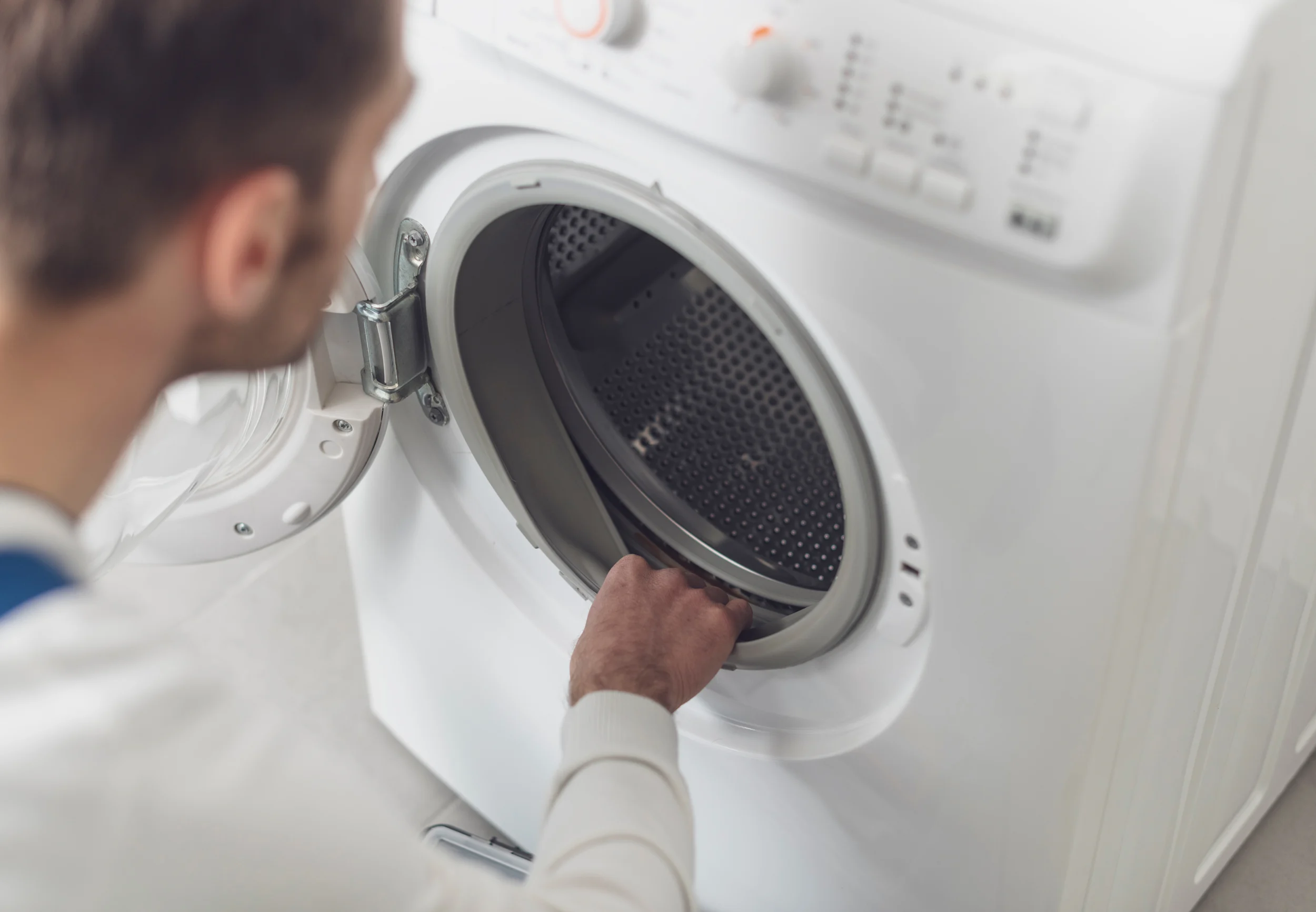
Front loaders are prone to residue around the rubber door seal, since water can sit in the folds after each wash. Start here, then work through the rest of the machine.
Wipe the rubber door seal inside and out with a damp cloth, checking the folds for lint, hair and grime.
Remove the detergent drawer and soak it in warm soapy water, using an old toothbrush to clear any caked-on residue.
Run an empty hot wash using a dedicated washing machine cleaner or a cup of white vinegar in the drum.
Wipe down the glass door and the area around the door lock.
Leave the door and detergent drawer open after each wash to let the machine air out and dry completely.
This last step is one of the simplest ways to prevent odours from building up between cleans.


How to clean a top loader washing machine
Top loaders have fewer folds and seals to worry about, but the agitator or impeller and the underside of the lid can still collect grime.
Wipe around the rim, lid and agitator or impeller with a damp cloth.
If your model has a self-clean or tub-clean cycle, run it empty with a washing machine cleaner or a cup of white vinegar.
No self-clean cycle? Fill the drum with hot water, add a cup of white vinegar, and let it sit for an hour before running a full empty cycle.
Wipe out the detergent and fabric softener dispensers, which can trap sticky residue.
Leave the lid open between washes so the drum dries out fully.


How often should you clean your washing machine?
Aim to give your washing machine a proper clean at least once a month. Households that wash frequently, use a lot of fabric softener, or mostly run cool cycles may benefit from cleaning every two to three weeks, since cooler washes do less to naturally flush out residue.
Wipe the seal and drawer: after every wash.
Leave the door or lid open to air: after every wash.
Full drum clean cycle or vinegar wash: monthly.
You might also like ...
You Missed A Spot! Common Cleaning Mistakes To Avoid
Best Garment Steamers to Buy in 2026
7 Ways to make cleaning fun for kids
Spring-Clean With Nothing But Steam
Essential washing machine cleaners and supplies
You do not need a cupboard full of products to keep a washing machine clean. A few basics will cover most machines.
A dedicated washing machine cleaner or descaler, used monthly in an empty hot cycle.
White vinegar and bicarbonate of soda, a natural option for the drum and detergent drawer.
A soft microfibre cloth for wiping the seal, drum and exterior.
An old toothbrush or small brush for the detergent drawer and dispenser grooves.
FAQs
At least once a month with a full drum clean cycle or a hot vinegar wash. Wipe the seal, drum and detergent drawer after each load to stop residue building up between cleans.
Wipe the rubber door seal after every wash, clean the detergent drawer weekly, and run a monthly hot cycle with a washing machine cleaner or a cup of white vinegar. Leave the door open between washes to let the drum air out.
Fill the drum with hot water, add a cup of white vinegar, and let it sit for about an hour. Then run a full empty cycle to flush the drum, wiping down the agitator or impeller and rim while you wait.
Yes. White vinegar helps break down soap residue and mineral build-up, while bicarbonate of soda works well on the detergent drawer and rubber seal. Run them through an empty hot cycle rather than mixing them with a normal wash.
A musty smell usually comes from detergent and fabric softener residue trapped in the seal, drawer or drum. Wipe these areas down regularly, leave the door or lid open between washes, and run a monthly clean cycle to clear any build-up.
Shop washing machines and cleaning products at The Good Guys
A good cleaning routine keeps most machines running well for years, but if yours is still smelling musty after a proper clean, struggling to drain, or simply reaching the end of its life, it might be time to look at your options.
Explore the full range of washing machines, or if your machine is due for an upgrade, our washing machine buying guide walks you through what to look for.
Looking for a front loader or top loader, you'll find it at The Good Guys.