
ARTICLE
How to spring clean your major appliances
Published Jul 28, 2025 • Updated Jun 11, 2026 - 4 min read
Spring cleaning major appliances is mostly about keeping them efficient, safe and smelling fresh. The biggest wins are simple maintenance steps for your washing machine, dryer, fridge, oven and dishwasher, plus a few self-cleaning features that can save you effort.
Key takeaways from this article
Regular cleaning can extend appliance life and improve performance.
Washers need seal, filter and drawer maintenance to stop odours.
Dryer vents and lint filters must stay clear to reduce fire risk.
Fridges clean best when switched off and wiped with unscented detergent.
Peter Simic (National Category Manager (Refrigeration)) says drying washing machine seals after each wash helps stop smells.

Let’s hear a round of applause for washing machines, dryers, fridges, ovens and dishwashers. Five household heroes devoted to making our lives easier and speedier! But that doesn’t mean they don’t need some TLC from us, too, to stay in tiptop shape for as long as possible. “Cleaning and maintaining your most used appliances regularly is essential if you want to extend their working life and get the biggest bang for your buck,” says Peter Simic, The Good Guys Buyer – Refrigeration and Laundry.
Ready to give those trusty home helpers the attention they deserve? Here’s our expert guide, plus some appliances that practically spring-clean themselves!
You might also like ...
Top Tips And Hacks To Have You Cleaning Like A Pro
How To Spring Clean Your Small Kitchen Appliances
Too Easy! How To Clean Your Oven Without The Elbow Grease
You Missed A Spot! Common Cleaning Mistakes To Avoid
How to clean your Washing Machine
Many washers now come with self-cleaning functions. Either way, these steps will make yours spick and span:
Run a self-cleaning cycle to remove drum odours and dirt, and prevent mould. No self-clean function? Place one cup of white vinegar or a sachet of appliance cleaner inside and run a hot wash (70 degrees or higher).
Unclog the filter or run a self-cleaning filter function to remove loose fibres, buttons, coins or anything else that’s come loose during washing. Doing this manually? Remove the filter and run it under hot water. Washing machine filters should be cleaned 4 times a year.
Once a month, remove the detergent drawer and give it a lengthy soak to remove mould-causing detergent and fabric softener residue. Dry thoroughly before reinserting.
Scrub seals with white vinegar or antibacterial wipes, including any gaps where water and detergent linger.
Leave the door open to air out your machine after cleaning.
Peter Simic has one last tip for a fresh-smelling washing machine:“Many people don’t realise that the rubber seals of washing machines can cause unpleasant smells. Detergent residue and water like to hide in those nooks and crannies, and bacteria can build up there. To knock those odours on the head, get into the habit of drying your seals after every wash.”
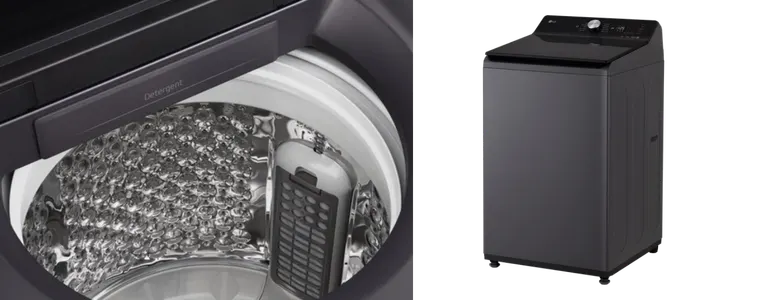
Shop Self-Cleaning Washing Machines
Hisense 10kg Series 8i Front Load Washer
LG 9kg Series 5 AI Top Load Washer
How to clean your Dryer
Don’t let clogged vents become a fire hazard. Follow these steps for a clean and safe dryer:
Clean the drum with a non-abrasive cleaner or vinegar cleaning solution (mix equal parts white vinegar and warm water) to prevent nasty smells and mould.
Clean the dryer vent and duct by scheduling an annual service to ensure they are clear and unclogged (this is best done by a professional).
Remove the lint filter; scrub it thoroughly with hot water and detergent to shift lint and dirt. Wipe exterior surfaces with a non-abrasive cleaner or vinegar cleaning solution and a microfibre cloth.
Leave the door open to let air circulate.
“Cleaning and maintaining your most used appliances regularly is essential if you want to extend their working life and get the biggest bang for your buck.” Peter Simic, The Good Guys Buyer – Refrigeration and Laundry
”
How to clean your Fridge
Follow these steps to curb unappetising smells and keep your fridge running in top gear. Before you start, turn the fridge off so you don’t waste energy while you clean.
Do a food safety audit by removing all items from the fridge and freezer, and tossing anything that’s past it.
Pull out all removable shelves and drawers (include the water funnel, tank and nozzle if you have a non-plumbed fridge). Using a soft cloth, wash everything with warm water and unscented detergent (as food can absorb strong scents). Clean the interior and any fixtures in the same way.
Using unscented detergent and warm water, scrub seals to remove spills, grime or dirt build-up. Dry afterwards.
Wipe the exterior gently (watch that finish!) with a soft cloth and soapy water to remove door grime and fingerprints. For stainless steel fridges, use methylated spirits or window cleaner.
Clean the fridge cavity by carefully rolling your fridge out of its space to vacuum and mop underneath (you’ll be amazed what’s there!).
Shop Fridges
Electrolux 609L French Door Refrigerator
LG 637L French Door Refrigerator
Samsung 427L Bottom Mount Refrigerator

How to clean your Oven
You can dodge this dreaded chore nowadays with a pyrolytic oven: they self-clean by using high temperatures and pressure to turn baked-on grime and grease to ash, without the need for harsh chemicals. Rolling up those sleeves to do it yourself? Here’s how:
Remove and clean racks with an oven cleaner, a paste of baking soda and water or warm, soapy water.
Clean the interior before you return racks (for better access). Coat the oven with your chosen cleaner and leave, preferably overnight, to soak up grease and grime.
Wipe out the oven with a damp cloth or sponge. For stubborn spots or hard-to-reach areas, use a non-metal spatula or similar item.
Do a final lap with an oven cleaning cloth or white vinegar and water to clean every corner.
Gently wipe the exterior, including the door, knobs and handle, with warm, soapy water and a soft, non-scratch cloth.
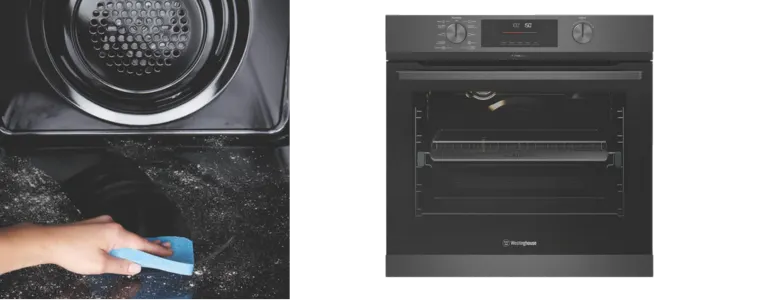
Shop Self-Cleaning Ovens
Smeg 60cm Linea Pyrolytic Oven
Westinghouse 60cm Pyrolytic Oven
How to clean your Dishwasher
We often overlook our dishwashers until they give off nasty smells. Here’s how to keep yours at peak performance:
Remove the filter, utensil holder and racks, and wash by soaking in warm, soapy water. Scrub thoroughly to remove food and detergent residue.
Check the interior while it's empty for debris trapped in far corners.
Clean your dishwasher by adding a sachet of appliance cleaner (or by placing a dishwasher-safe bowl with vinegar inside) and running a hot cycle.
Remove stubborn smells and leave your machine pristine by sprinkling baking soda on the internal floor and running another hot cycle.
Clean the exterior with a soft cloth and gentle product that won’t scratch or streak.
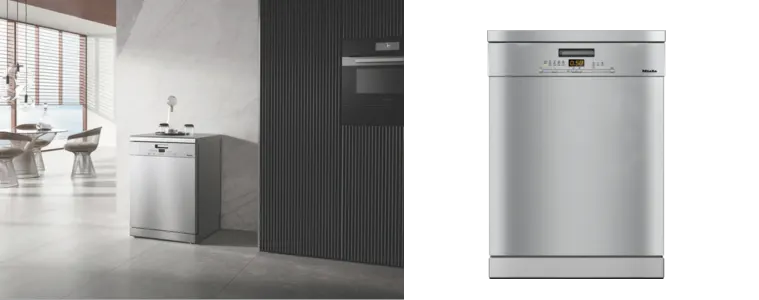
Shop Dishwashers
LG 60cm Freestanding Dishwasher Platinum Steel
Miele 60cm Freestanding Dishwasher CleanSteel
Want appliances with the latest in self-cleaning tech? Visit us in-store or online for the smartest range of washing machines, dryers, fridges, ovens, cooktops and dishwashers at the best prices.
FAQs
How often should I deep-clean my Washing Machine?
Run a cleaning cycle on your washing machine about once a month. Most front loaders have a dedicated tub-clean or self-clean settings, but you can also run an empty hot cycle with a washing machine cleaner or white vinegar. Wipe the door seal and detergent drawer at the same time, since these are where mould and residue tend to build up.
Why does my Washing Machine smell even though I clean my clothes in it?
A musty washing machine smell is usually caused by detergent residue, trapped moisture and mould in the door seal, drawer or drum. Leaving the door ajar between washes helps it dry out, and a monthly hot cleaning cycle clears the build-up that causes the odour. Front loaders are more prone to this than top loaders because water can pool in the rubber seal.
What's the easiest way to clean a Dishwasher?
The easiest way to clean a dishwasher is to remove and rinse the filter, then run an empty hot cycle with a dishwasher cleaner. Check and clear the spray arm holes if water isn't reaching your dishes properly, and wipe around the door and seal. A clogged filter is the most common reason a dishwasher stops cleaning well, so it's worth checking regularly.
How often should I clean my Dishwasher filter?
Clean your dishwasher filter at least once a month, or more often if you don't rinse plates before loading. Food scraps collect in the filter over time and can leave dishes gritty or cause odours. Most filters twist out, rinse under the tap and click back into place in under a minute.
What's the best way to clean an Oven without harsh chemicals?
To clean an oven without harsh chemicals, make a paste of bicarb soda and water, spread it over the interior, leave it overnight, then wipe it away and spray with vinegar to lift any residue. For racks, soak them in warm soapy water. If your oven has a pyrolytic setting, it can clean itself by heating to a high temperature that turns grime to ash you simply wipe out.
Can I use Oven cleaner on a Self-Cleaning Oven?
Avoid using commercial oven cleaner inside a pyrolytic or self-cleaning oven, as the chemicals can damage the special interior coating. Use the oven's built-in cleaning cycle instead, then wipe out the ash with a damp cloth once it has cooled. Always check your manufacturer's instructions before cleaning any oven.
How can I keep my appliances cleaner for longer between deep cleans?
A few small habits go a long way: wipe up spills as they happen, leave washing machine and dishwasher doors ajar to dry out, rinse filters regularly and run a maintenance cycle each month. Staying on top of the little things means your seasonal deep clean is far quicker, and your appliances run more efficiently in the meantime.


