ARTICLE
Cooktop Sizing Masterclass: How To Find Your Best Fit
Published Jun 23, 2026 • Updated Jun 24, 2026 - 4 min read
Choosing the right cooktop size comes down to cabinet width, benchtop cutout dimensions, and rangehood clearance. In Australian kitchens, 60cm models suit compact spaces, 70cm and 80cm offer more cooking zones with minimal installation fuss, and 90cm cooktops are ideal for large families and entertainers. Fuel type matters too: gas needs extra clearance, electric maximises zone placement, and induction offers flexible bridging across the full glass surface.
Key takeaways
The standard cooktop sizes you’ll see are 60cm, 70cm, 80cm and 90cm.
You can likely upgrade from a 60cm to a 70cm cooktop without recutting your benchtop.
Gas models may require more overhead clearance, while induction may need ventilation space underneath.
Whether you’re hosting guests or throwing together family dinner, cooking can get hectic. When it does, there’s nothing worse than a crowded stove. That’s why it’s so important to consider your cooktop size when building or upgrading your kitchen…
How to determine the right cooktop size for your kitchen
“Choosing the perfect cooktop size is all about striking a balance between how you like to cook and the physical space you have to work with,” says Tania Grillinzoni, The Good Guys Buyer – Cooking.
Finding the right fit depends on three critical kitchen measurements:
Cabinet width
Benchtop cutout dimensions
Overhead rangehood clearance.
If you aren’t sure which bracket you fall into, here is how the sizes compare…
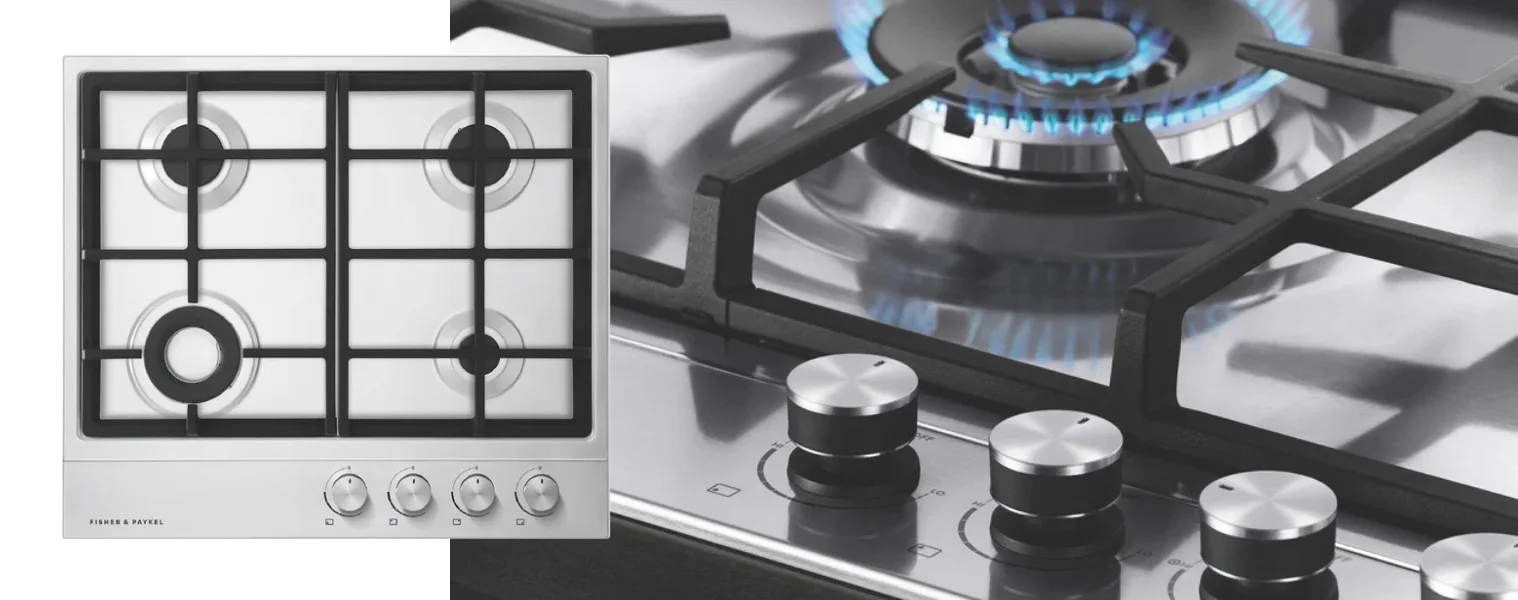
Why choose a 60cm cooktop?
As the most common size in Australian homes, 60cm cooktops typically feature three to four cooking zones or burners. They’re the ideal match for compact kitchens and smaller households.
Price: Typically, there are more budget-friendly options in this size range
Space: Frees up valuable bench space for food prep and small appliances
Convenience: No cabinetry work needed in most kitchens.
Shop 60cm cooktops at The Good Guy
“Choosing the perfect cooktop size is all about striking a balance between how you like to cook and the kitchen space you have to work with.
”
Tania Grillinzoni, The Good Guys Buyer – Cooking Appliances
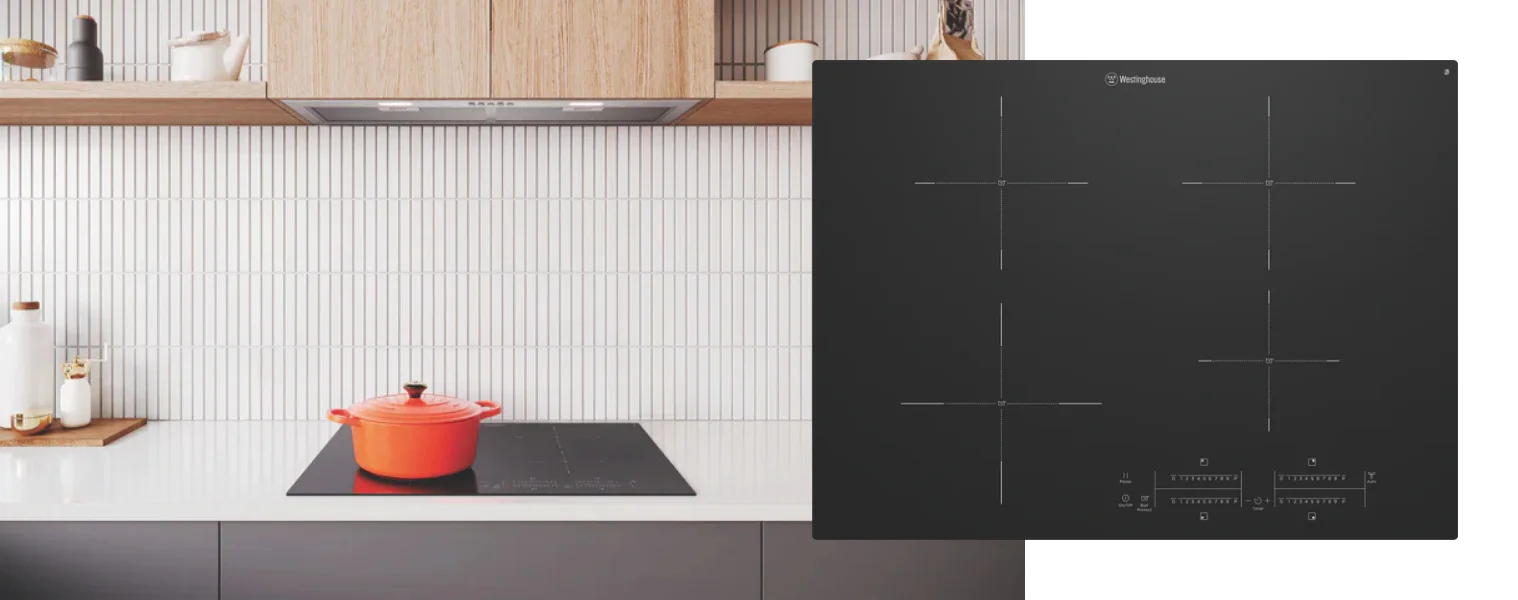
Why choose a 70cm or 80cm cooktop?
If you regularly find yourself needing to simmer, boil and sauté simultaneously, these mid-sized models represent the ultimate sweet spot. They usually feature four to five cooking zones and often include smart bridging features to combine zones for oversized cookware (this is an induction cooktop specialty!).
Easy upgrade: Often built to fit in 60cm cutouts, so no renovations are required
Versatility: More cooking zone sizes for more precise heat control
Less crowding: More space between cooking zones and more precise heat.
Shop 70cm and 80cm cooktops at The Good Guys
Why choose a 90cm cooktop?
The ultimate choice for large families, passionate home cooks and frequent entertainers, a 90cm cooktop serves as a true kitchen centerpiece. Boasting five or more burners, it allows you to utilise large stockpots and woks side by side with ease.
Cooking capacity: More space for bigger pots so you can cook more in less time
Higher heat: Often comes with large wok burners for hotter cooking
Visual statement: Premium models deliver designer aesthetics for beautiful kitchens.
Shop 90cm cooktops at The Good Guys
Cooktop sizing guide: Pick the right size for your kitchen
Ready to make your choice? Here’s a quick rundown of your sizing options to help you pick your brand new cooktop…
Cooktop size | Typical number of burners/cooking zones | Best for | Installation considerations |
60cm cooktop | 3-4 | Apartments, couples and compact kitchens | Fits standard 600mm Australian kitchen cabinets. |
70cm cooktop | 4-5 | Growing families and easy upgrades | Often engineered to fit into a standard 600mm cabinet with slight overhang |
80cm cooktop | 4-5 | Busy home cooks and bigger kitchens | Requires a minimum cabinet size of 800mm |
90cm cooktop | 5-6 | Large families, entertainers and meal preppers | Requires a minimum cabinet size of 900mm; may need increased overhead ventilation clearance |
How size options differ by fuel type
The physical width of your cooktop is only half the story – usable surface area and installation needs vary substantially depending on the fuel type you choose:
Gas: These cooktops require physical clearance for open flames and adequate air intake. They feature raised trivets that demand higher overhead rangehood clearance and deeper under-bench cutouts to house physical gas valves.
Electric: Ceramic glass cooktops allow elements to be placed closer together, maximising space and requiring less vertical overhead clearance than gas.
Induction: These cooktops use electromagnetic fields to turn your pans into the heat source. Features such as flexible bridging zones allow you to use virtually every square centimetre of the glass surface. However, you must allocate a small air gap underneath the bench for internal cooling fans.
Combo cooktop: Some premium brands offer hybrid cooktops, pairing high-output gas wok burners alongside precise induction zones on a single glass surface.
Looking for a new cooktop? Head in store or online to find options in every size from a range of great brands at The Good Guys. Once you’ve picked your new hob, our Home Services team can help you get it installed so you don’t need to worry about a thing.
FAQs
What size cooktop do I need for a standard kitchen cabinet?
The standard kitchen cabinet size in Australia is 600mm, which means that all 60cm cooktops can be installed with no modifications. Select 70cm cooktops are also designed to fit in a 60cm cooktop cutout, with a slight overhang on the adjacent cabinets.
What is the difference between a gas, electric and induction cooktop?
Gas uses an open flame to heat any style of cookware but loses significant heat to the surrounding air.
Electric relies on radiant coiled elements to heat pots evenly.
Induction transfers electromagnetic current directly to magnetic cookware, keeping the surrounding cooktop surface remarkably cool to the touch.
How many burners does a 90cm cooktop have compared to a 60cm cooktop?
While you can probably expect a larger cooktop to have more burners or cooking zones than a smaller option, it’s not always the case. For example, five-burner gas cooktops are the most common option you’ll see at 90cm, but depending on the model, you can find options with anywhere from three to six burners.