ARTICLE
When to replace your cooktop and how to choose a new one
Published Jun 9, 2026 • Updated Aug 21, 2026 - 3 min read
A cooktop typically lasts 10 to 12 years, but weak burners, damaged surfaces or faulty controls can all be signs that it’s time for an upgrade. Whether you cook on gas, electric or induction, here’s how to spot the warning signs – and how to choose the right replacement for your kitchen…
Key takeaways
Weak burners, slow heating and uneven output are common signs a cooktop is wearing out.
Cracks, rust or corrosion on the cooking surface can affect both safety and performance.
If you smell gas, turn off the cooktop immediately and call for help.
Gas, electric and induction each suit different cooking styles, budgets and kitchen set-ups.
All cooktop types must be installed by a licensed professional.
The Good Guys offers a professional cooktop installation service to take care of the hard work.

For whipping up quick eats and chef-ing family feasts, every kitchen needs a hardworking cooktop. But gas, electric or induction… no stove will last forever and there are some tell-tale signs that your kitchen workhorse could be running out of puff. Or maybe you’re missing out on the latest tech to streamline meal delivery and clean-up. Here’s how to tell if it’s time for a cooktop upgrade.
Warning signs your cooktop is on the way out
“Being aware of the signs that your cooktops is deteriorating means you’ll be able to replace it before it stops functioning altogether. No one wants to get caught with half-boiled potatoes just before dinnertime,” says Tania Grillinzoni, The Good Guys Buyer – Cooking.
The most obvious sign is a cooktop that won’t turn on at all, but there are subtler warning signs worth watching for – before things get that far.
Weak or uneven heat
The biggest red flag is dwindling power in the burners or hotplates. If your pots and pans are taking longer to heat up, or the heat isn’t extending to the outer rims of the cookware, your cooktop may be losing performance.
Cracks, rust or corrosion
Damage to the cooking surface is never a good look – and it can affect function too. Cracks in a ceramic or glass surface can worsen over time and may pose a safety risk. Rust or corrosion on a gas cooktop can affect burner performance and hygiene.
Faulty controls
Loose temperature knobs or digital displays that are on the blink make it difficult to cook with any confidence. If you’re guessing your settings, it’s time for an upgrade.
Gas smell
Smelling gas is a code red. It most likely indicates a leak – don’t turn the cooktop on, leave the area and call for help immediately.
“Being aware of the signs that your cooktop is deteriorating means you’ll be able to replace it before it stops functioning altogether. No one wants to get caught with half-boiled potatoes just before dinnertime.
”
Tania Grillinzoni, The Good Guys Buyer – Cooking
Gas, electric or induction: Which cooktop is right for you?
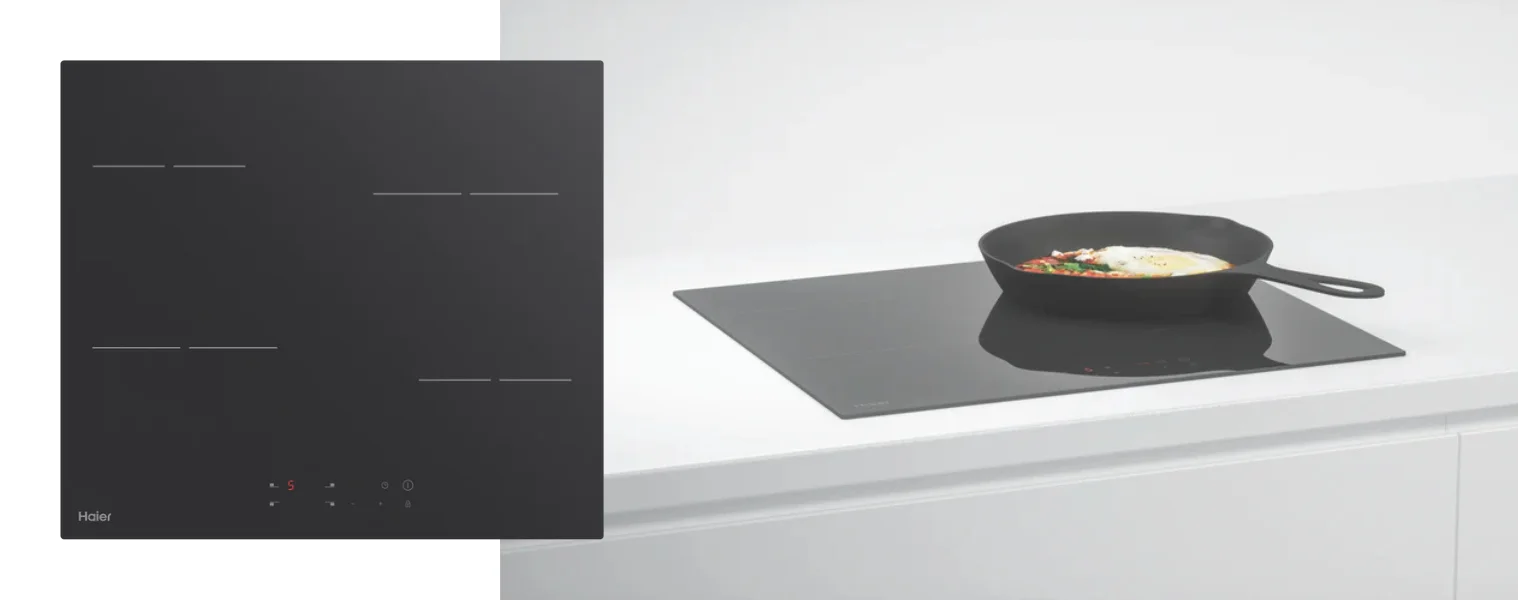
Choosing a new cooktop comes down to your cooking style, your kitchen set-up and whether or not you have a gas connection. Here’s a quick comparison to help you decide:
| Gas cooktop | Electric/ceramic cooktop | Induction cooktop |
Heat speed | Fast | Moderate | Fastest |
Energy efficiency | Moderate | Moderate | High |
Temperature control | Very good | Good | Excellent |
Surface temperature | Hot around burners | Hot surface | Cool to touch |
Cookware required | Any | Any | Magnetic base only |
Cleaning | Moderate | Easy | Very easy |
Installation | Licensed gas fitter | Licensed electrician | Licensed electrician |
In summary:
Gas cooktops suit households that want strong, responsive heat and the familiarity of cooking with a flame. They’re a good choice for wok cooking and high-heat searing.
Electric and ceramic cooktops are a practical option for kitchens without a gas connection, with lower upfront costs and easy-clean glass-ceramic surfaces.
Induction cooktops are the most energy efficient option and offer the fastest, most precise heat control. The cool-touch surface also makes them the safest choice for families with children. For more on how induction works, see our guide: Induction cooking: What is it and how does it work?
Shop cooktops at The Good Guys


For a full breakdown of what to look for before you buy, see our Cooktops Buying Guide.
How much does it cost to install a new cooktop in Australia?
Cooktop installation costs in Australia vary depending on your location, the type of cooktop and whether any additional electrical or gas work is required. As a guide, electric and induction cooktops require a licensed electrician, while gas cooktops must be installed by a licensed gas fitter.
The Good Guys cooktop installation service connects you with a fully licensed tradesperson who will install your new cooktop and show you how it works – and remove your old one too. Contact the team for a quote specific to your situation.
Looking for a new cooktop? You’ll find it at The Good Guys! Visit us in store or online to explore the full range of cooktops and find the right fit for your kitchen.

FAQs
How do I measure a benchtop cut-out for a new cooktop?
Remove your existing cooktop and measure the opening in the benchtop – width, depth and benchtop thickness. Most 60cm cooktops require a cut-out of approximately 560mm wide by 490mm deep, but always check the specifications of the model you’re buying before purchasing.
Can I switch from a gas cooktop to an induction or electric model?
Yes, making the switch is very common. You will need a licensed gas fitter to safely cap off your existing gas supply, as well as a licensed electrician to install the new unit. Because electric and induction cooktops draw significantly more power than the electronic ignition on a gas stove, your electrician will also need to verify that your kitchen’s wiring and home’s switchboard can handle the dedicated electrical load.
Electric ceramic and induction cooktops look identical – what is the difference?
While both feature a sleek, easy-to-clean glass surface, they generate heat in completely different ways. A standard electric ceramic cooktop uses metal heating elements hidden under the glass, which get red-hot and transfer that heat through the surface to your pots. Induction cooktops use electromagnetic technology to heat the pan directly.