ARTICLE
How to organise a chest freezer
March 10, 2026-4 min read
A smart chest freezer organisation system makes bulk buying easier, cuts food waste and helps you organise dinner for your family fast! Good chest freezer storage starts with a plan, and a good understanding of your family's typical meal planning. For Australian households using a chest or deep freezer for family meals, school snacks, meat packs or emergency supplies, the problem is usually visibility, not capacity. Once food gets layered, buried and forgotten, chest freezer storage stops being helpful.
In this guide you will learn how to measure your freezer, choose the right container mix, set up a practical chest freezer organiser layout, label food properly and keep the system working. The Good Guys’ current chest freezer range runs from compact 140L models to 700L+ units, so there is a size to suit any family and room size.
Key takeaways
Measure the inside of the freezer before buying bins and containers and remember the best chest freezer storage plan is based on real usable space, not the litre rating alone.
The best chest freezer organizer mixes baskets, filing bins and flexible bags instead of relying on one giant tub.
Freeze meals flat, file them upright and use chest freezer dividers to separate meat, meals and snacks.
A simple deep freezer organisation system only lasts if you label every item, keep an inventory and defrost regularly.
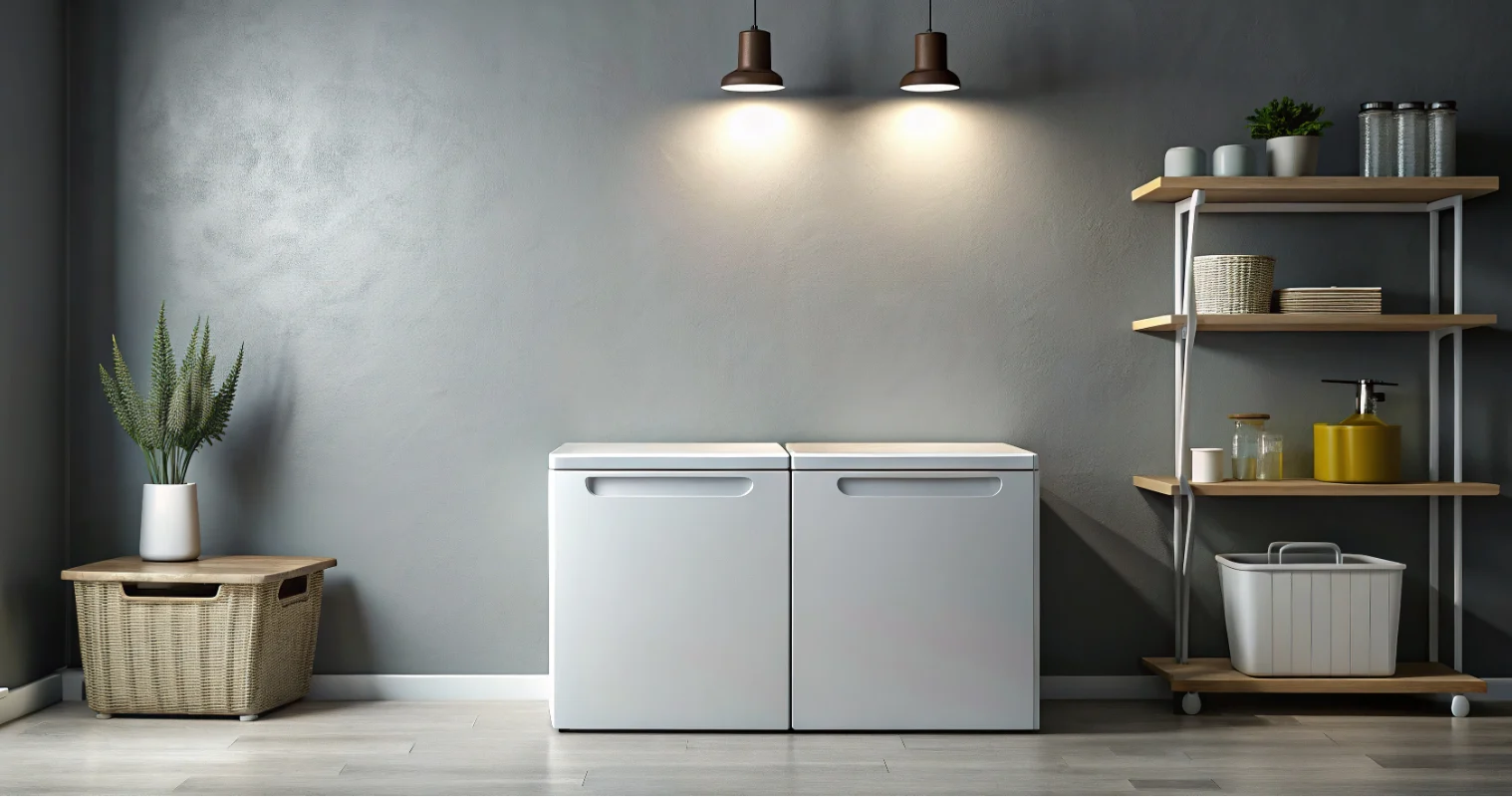
This guide is for families, renters, meal preppers, bulk buyers and anyone trying to organize chest freezer space without buying dozens of accessories. If you want to organize chest freezer habits for the long term, simple zones beat complicated systems.
Why organise your chest freezer?
Good question! The answer is simple - better chest freezer organisation means less duplicate buying, fewer ‘mystery’ containers, quicker meal prep and less time with the lid open. A chest freezer can help declutter your main fridge-freezer, support bulk buying and reduce supermarket trips and don’t forget - chest freezers can also be a practical extra-freezer option for your garage.
Know your chest freezer size
The first step in deep freezer organisation is measuring the inside, not the outside.
Measure the internal length, width and depth in centimetres while the freezer is empty. If the corners are rounded, measure the widest straight section and then the narrowest usable section lower down; buy rigid bins based on the smaller measurement. Also measure any step or compressor hump, because that spot is perfect for a small bin, flat packs or items you rarely need.
Next, start by asking what you store most.
Frequent-access setup: best for weeknight dinners, lunchbox food and frozen fruit.
Long-term setup: best for bulk meat, seasonal produce and emergency supplies.
Mixed-use setup: best for most homes, with fast-access food on top and long-term stock underneath.
A simple priority order works in almost every home: frequency first, food type second, package shape third. Everyday items stay in the top baskets, raw meat sits in sealed protein zones, and big awkward packs go low.
Deep freezer bins, bags and compartments
A strong chest freezer organizer setup usually combines more than one storage type. The right chest freezer organizer is usually a mix of baskets, bags and labels. And don’t forget an inventory map - a white board can be perfect for this, or there are many apps for note taking on smart phones that can also make checking inventory easy.
For family meal prep, use one bin for ready meals, one for lunchbox foods and one for breakfast items. For long-term meat storage, dedicate a crate or bin to each protein if you have space. For vegetables and fruit, narrow bins or reusable bags work better than deep tubs because they are easier to file upright.
Suggested bin sizes
The guide below is a practical starting point for typical chest freezer storage after you measure your own interior. Just remember it is a guide only and should be adapted to your family’s meal planning and of course the size of your chest freezer.
Small chest freezer suggested template: 150–200L
2 top baskets around
38–42cm L x 24–28cm W x 20–25cm H
3 or 4 small bins around
28–32cm L x 14–18cm W x 15–20cm H
1 shallow hump bin around
30–35cm L x 12–15cm W x 12–15cm H
Use the top for everyday proteins and frozen veg, the smaller bins for snacks and fruit, and the hump for ice packs, pastry or open packets. This kind of chest freezer organiser works well when you open the freezer several times a week.
Medium chest freezer suggested template: 200–350L
2 medium top baskets around
40–45cm L x 25–30cm W x 20–25cm H
4 to 6 narrow filing bins around
30–35cm L x 15–18cm W x 18–22cm H
2 longer bottom bins around
45–50cm L x 20–25cm W x 20–25cm H
This is the sweet spot for many families and mixed-use deep freezer organisation. Use the top for quick-grab meals and lunchbox food, the middle for sealed meat by type, and the bottom for batch-cooked meals, bulk buys and party food. If you want to organize chest freezer contents properly in this size range, narrow filing bins matter more than one giant tub.
Large chest freezer suggested template: 350–500L+
2 or 3 large baskets around
45–50cm L x 25–30cm W x 20–25cm H
6 to 8 narrow bins around
30–35cm L x 15–18cm W x 20–25cm H
2 to 4 deep lower bins around
45–55cm L x 22–28cm W x 22–28cm H
This size is great for serious bulk buyers. Use the top layer for daily access, the middle lanes for meats, seafood and prepared meals, and the bottom for reserve stock or bulky cuts. In larger units, chest freezer dividers and filing bins stop flat bags from slumping together and make deep freezer organizer systems much easier to maintain.
How to label your food effectively
Labelling your food is key. Effective chest freezer organisation depends on every item being easy to identify at a glance.
Use this label popular format:
Item - date frozen - portion size - cook/use-by note
Examples:
Chicken curry - 8 Mar 2026 - Serves 4 - Reheat when thawed
Beef mince - 1kg - 15 Feb 2026 - Raw no preservatives
Banana muffins - 3 pieces - 20 Feb 2026 - Lunchbox
Label and date all food. Freezer-safe labels, freezer tape, painter’s tape and permanent marker on freezer bags all work well.
TIP: Inventory maps work best when they record not just what is in the freezer, but also where it sits: left basket, bottom right bin, top layer and so on. That turns a basic chest freezer organiser into a system you can maintain easily after every shop and cook.
Space-saving freezing techniques
The most effective deep freezer organisation trick is to change the shape of the food, not just the container.
Freeze flat and file upright
Flat packs are the backbone of chest freezer storage. Freeze soups, stews, mince, pasta sauce, shredded chicken and smoothie fruit in bags laid flat on a tray. Once frozen, stand them upright in a narrow bin like files in a drawer.
Just remember, cool your food before placing into the freezer. Cooked food should be cooled in shallow dishes or smaller portions, and very hot food should not go straight into the fridge.
Vacuum sealing: worth it or not?
Vacuum sealing can be excellent for long-term chest freezer storage, especially for bulk meat and batch-cooked meals. It is really useful for households that bulk buy and freeze food often rather than occasionally.
Group by shape, then by category
One reason chest freezer organisation often fails is that people sort only by food type. In practice, shape may often matters more. Pouches fit with pouches. Square tubs stack with square tubs. Categorising by size can sometimes be more practical than categorising by food group. As long as you label your food correctly and keep an inventory map you should be able to choose a solution that works well for you.
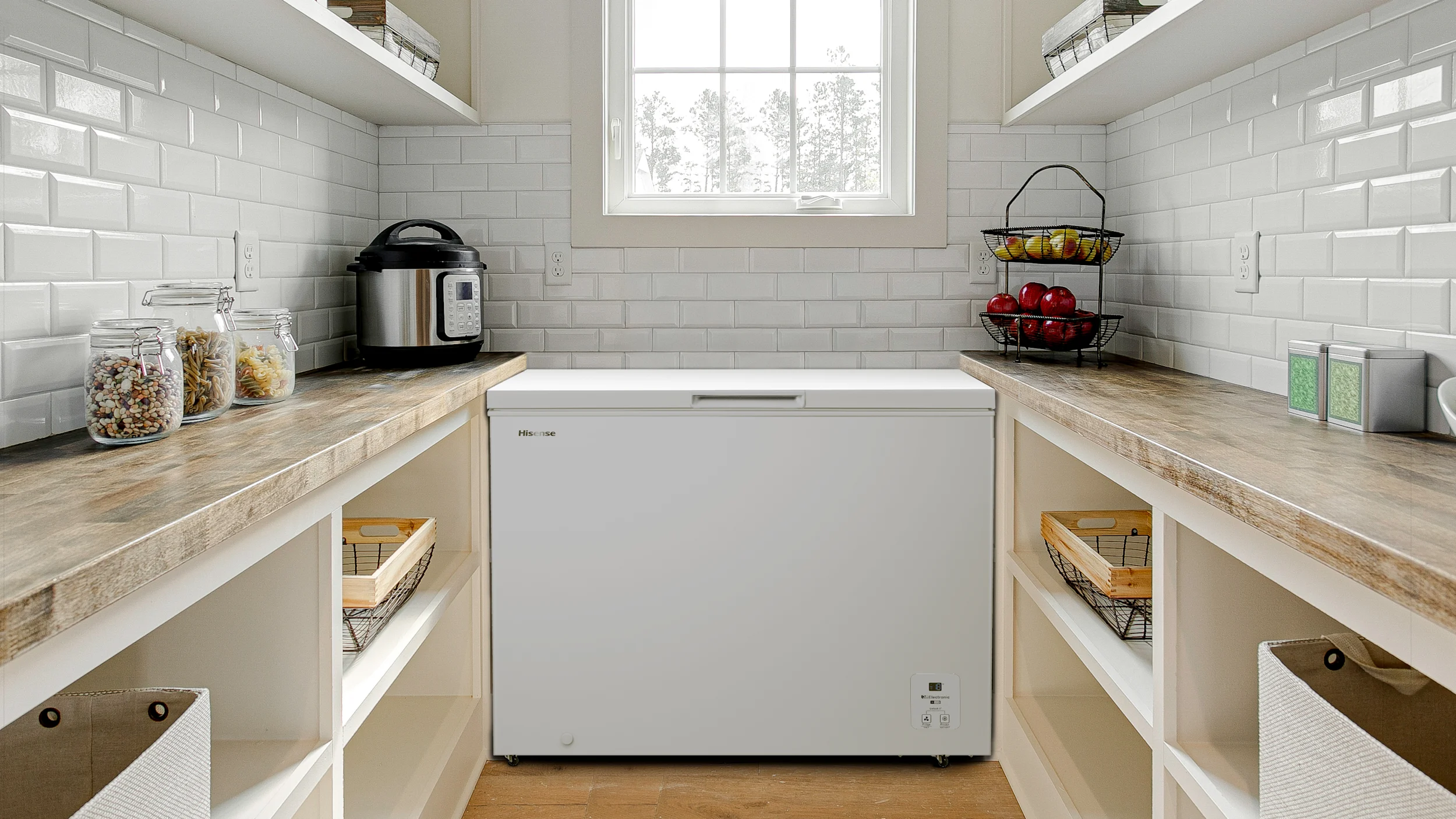
Check out lunchbox freezer ideas, with great ideas for school lunches you can freeze, such as muffins, quiches, sausage rolls, pancakes and sandwiches.
Maintenance schedule and cleaning checklist
The best chest freezer organiser is the one you can reset quickly.
Weekly or fortnightly quick tidy: return stray items, wipe crumbs, move oldest food to the top, and check the lid seal.
Monthly review: update the inventory, fix faded labels, discard mystery items and rebalance overstocked zones.
Quarterly clean: deep clean and follow your manufacturer’s guidance if your model has different maintenance requirements.
Don’t forget to check temperatures often.
If you need to defrost your Chest Freezer this routine could be helpful: eat down the contents first, move food to another freezer or cooler with ice, unplug the freezer, leave the lid open, wash removable baskets and bins in warm soapy water, wipe the interior, dry everything fully, then restart and reload by zone.
You may also be interested in ...
The Good Guys’ Freezer Buying Guide
Troubleshooting and FAQs
Frost build-up:
Check the lid seal, reduce open-lid time, wrap food tightly and defrost when frost reaches around 5mm.
Hard-to-reach items:
Switch from deep tubs to lift-out baskets and narrow filing bins. Reserve the bottom for rarely used food.
Odours:
Remove any damaged packaging, wipe spills fast.
Best way to store raw meat:
Keep it sealed and grouped in its own zone - raw meat and seafood should be stored separately from ready-to-eat food to avoid contamination.
How long does frozen food last?
Storage time depends on the food and packaging. A standard guide suggests: sausages at about 3 months, lamb and pork cuts at 3–6 months, beef steaks and roasts at 6 months, chicken pieces at 6 months, soups at 4 months, breads and pastries at 8 months, and frozen fruit and vegetables at 8 months.
Can I use cardboard in a freezer?
You can, especially for low-cost bottom-layer zones, but replace it when it softens, tears or gets damp.
Done well, chest freezer organisation can make meal prep easy and help save money with bulk purchases and less waste. Don’t forget when planning your Chest Freezer organisation to measure first, build zones, choose right-sized bins, use chest freezer dividers where they help, label every item and keep a simple map.